


The Ultimate Guide to Pakistani and Indian Designer Fashion for Weddings and Festivities
- Markhor Touseef
- Jul 31
- 4 min read

Weddings and festive occasions in South Asia are vibrant celebrations filled with color, tradition, and style. Choosing the right outfit is essential to honor these moments and express personal elegance. Pakistani and Indian designer fashion offers a rich variety of bridal dresses, luxury pret, formal dresses, and ethnic wear that blend heritage with contemporary trends. This guide explores the latest styles, fabric choices, embroidery techniques, and accessory tips to help you find the perfect outfit for any special event.

Understanding Pakistani and Indian Designer Fashion
South Asian fashion is known for its detailed craftsmanship and luxurious fabrics. Pakistani designer dresses often emphasize delicate embroidery and subtle color palettes, while Indian designer dresses showcase bold hues and elaborate patterns. Both styles include a wide range of options:
Bridal dresses: Heavily embellished lehengas, shararas, and ghararas for brides
Luxury pret: Ready-to-wear collections with elegant cuts and fine fabrics
Formal dresses: Anarkalis, sarees, and gowns suitable for weddings and parties
Men’s wedding collection: Sherwanis, bandhgalas, and kurta sets with rich embroidery
Current Fashion Trends in South Asian Weddings
Fashion trends evolve each season, but some elements remain timeless. This year, designers focus on:
Pastel shades and muted tones for bridal dresses, moving away from traditional reds and maroons
Mix of traditional and modern embroidery, such as zardozi combined with sequins and beads
Sustainable fabrics like organic silk and handwoven cotton gaining popularity
Layered lehengas and capes adding drama and volume to wedding outfits
Minimalist bridal jewelry paired with statement pieces for a balanced look
How to Choose the Perfect Outfit for Weddings and Festive Occasions
Selecting the right outfit depends on the event type, venue, and personal style. Consider these factors:
Event type: For a formal wedding ceremony, opt for heavily embroidered bridal dresses or designer sarees. For mehndi or sangeet, lighter luxury pret or formal dresses work well.
Fabric choice: Choose breathable fabrics like chiffon or georgette for daytime events and heavier silks or brocades for evening functions.
Color palette: Coordinate with the event theme and season. Bright colors suit festive occasions, while pastels and metallics are ideal for elegant weddings.
Comfort: Ensure the outfit allows ease of movement, especially for long ceremonies or dancing.
Styling Tips for Pakistani and Indian Designer Dresses
To complete your look, styling plays a crucial role. Here are some tips:
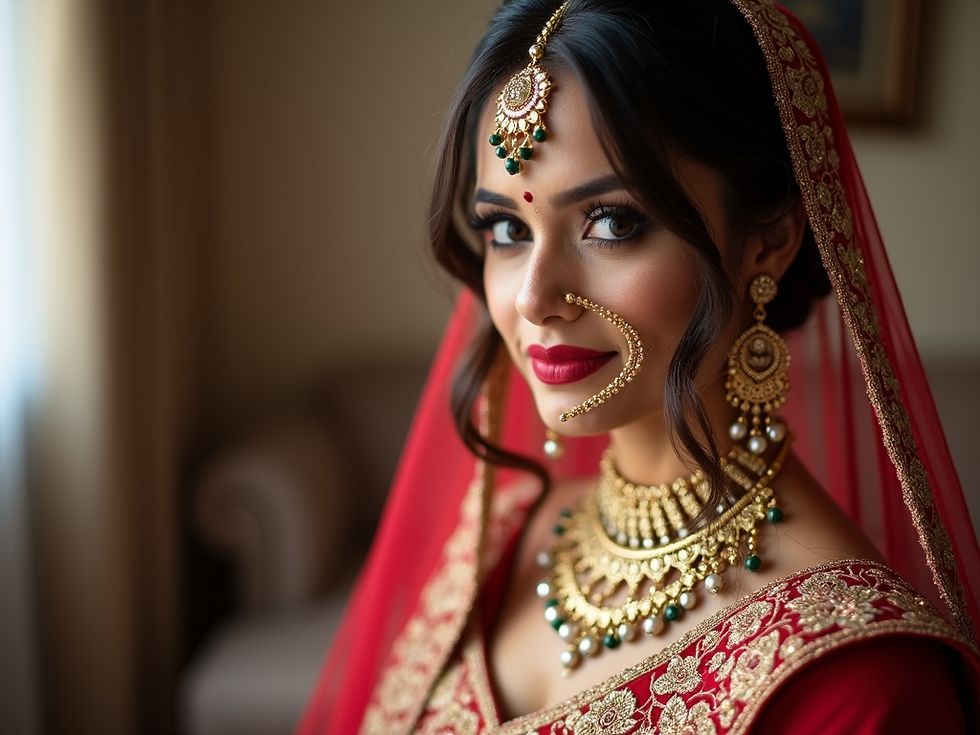
Pair bridal jewelry such as kundan or polki sets with your outfit to enhance its grandeur.
Use pashmina shawls during cooler weather for warmth and added sophistication.
For men, match the sherwani with embroidered mojari shoes and a matching turban.
Experiment with hairstyles that complement the neckline of your dress, like buns for high necks or loose waves for off-shoulder designs.
Keep makeup balanced: bold lips with subtle eyes or vice versa.

Fabric Selection and Embroidery Styles
Fabric and embroidery define the look and feel of designer ethnic wear:
Silk: Rich and lustrous, perfect for bridal dresses and formal sarees
Chiffon and georgette: Lightweight and flowy, ideal for luxury pret and formal dresses
Velvet: Adds depth and warmth, often used in winter weddings
Zardozi embroidery: Metallic thread work that adds shimmer and texture
Resham embroidery: Silk thread embroidery for delicate floral patterns
Mirror work and gota patti: Reflective embellishments popular in festive wear
Accessory Recommendations for South Asian Fashion
Accessories complete the outfit and elevate the overall appearance:
Bridal jewelry: Necklaces, earrings, maang tikka, and bangles crafted in gold, kundan, or polki styles
Footwear: Embroidered juttis or mojari shoes for men and women
Clutches and potlis: Embellished bags that complement the outfit’s color and design
Hair accessories: Floral pins, jeweled clips, or traditional passa for brides
Pashmina shawls: Soft, warm, and elegant, perfect for layering
FAQs About Pakistani and Indian Designer Fashion
What is the difference between Pakistani and Indian designer dresses?
Pakistani dresses often feature subtle embroidery and pastel colors, while Indian dresses tend to use bold colors and heavier embellishments. Both styles share traditional craftsmanship but differ in regional influences.
How do I choose the right fabric for a wedding outfit?
Consider the season and event timing. Lightweight fabrics like chiffon suit summer daytime events, while silk and velvet are better for winter or evening functions.
Can men wear sherwanis for all wedding events?
Sherwanis are versatile and suitable for most wedding occasions. For casual events, simpler kurtas may be preferred.
What are the latest trends in bridal jewelry?
Minimalist designs with statement pieces like chokers or layered necklaces are trending, moving away from overly heavy sets.
How to style a designer saree for a formal event?
Pair it with elegant jewelry, a sleek hairstyle, and a matching clutch. Choose a blouse design that complements your body shape and the saree’s embroidery.
Choosing the right Pakistani or Indian designer dress for weddings and festivities involves understanding the event, fabric, and styling options. Whether you prefer a richly embroidered bridal lehenga, a luxurious designer saree, or a sharp sherwani from the men’s wedding collection, the key is to balance tradition with personal style. Explore the latest trends, select quality fabrics, and accessorize thoughtfully to create a memorable and elegant look for your special occasion.
Comments